
Yes, adding a second story to a Sunnyvale ranch home is feasible for most properties, provided the existing foundation and structural framing can support the additional load. Most ranch homes in Sunnyvale, which are predominantly 1950s to 1970s single-story builds, can be upgraded with:
- Proper structural reinforcement
- A licensed structural engineering assessment
- Compliance with Santa Clara County building codes and California seismic standards
The project is not cheap or quick, but in a real estate market where the median home price hovers around $2.1 million, building upward is almost always more cost-effective than buying a larger home in the same neighborhood. If you are running out of space and do not want to leave your school district, commute route, or community, a vertical addition could be the most practical decision you make as a Sunnyvale homeowner.
Why Sunnyvale Homeowners Are Choosing to Build Up Instead of Move
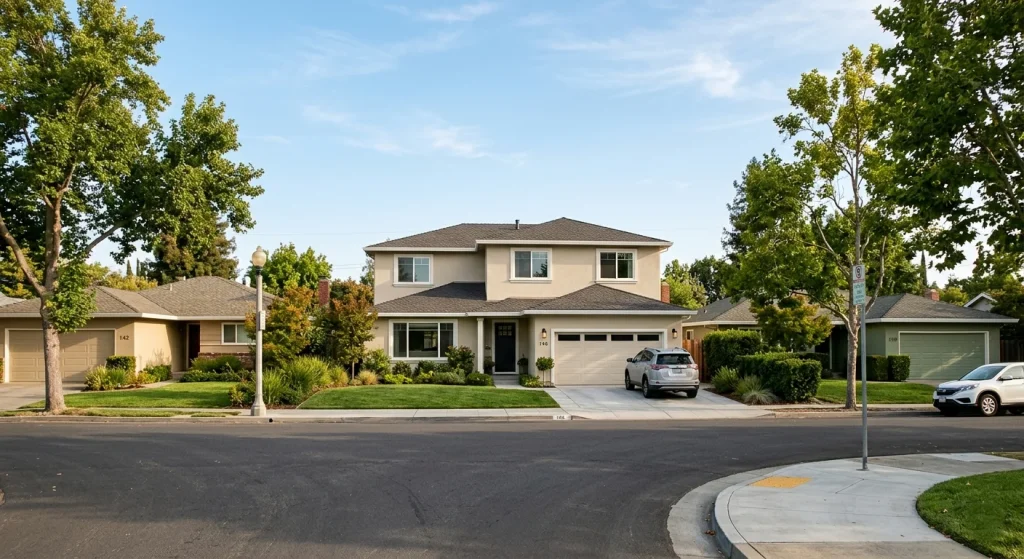
Sunnyvale sits at the heart of Silicon Valley, flanked by Cupertino, Santa Clara, and Mountain View. Land is scarce, lot sizes are modest, and the competition for larger homes is relentless.
The Financial Case for Building Up
Home values in Sunnyvale have appreciated at an average rate of around 8% annually, making the city one of the more stable real estate markets in all of Silicon Valley. With that kind of consistent appreciation, a second-story addition is not just a quality-of-life decision — it is a sound financial strategy. Key financial motivators include:
- Avoiding the $2.5 million to $3.5 million price tag of a larger home in the same neighborhood
- Preserving your existing mortgage basis and interest rate
- Staying within your preferred school district and community
- Gaining 800 to 1,200 square feet of new living space without buying new land
Neighborhoods Where the Trend Is Already Established
Neighborhoods like Cherry Chase, Ponderosa Park, and areas along Mathilda Avenue are filled with single-story ranch homes that have quietly been gaining second stories over the past decade. The trend is well-established, the contractors know the terrain, and Sunnyvale’s permitting process is relatively efficient compared to neighboring cities like Cupertino and Palo Alto.
What Makes a Sunnyvale Ranch Home a Candidate for a Second Story
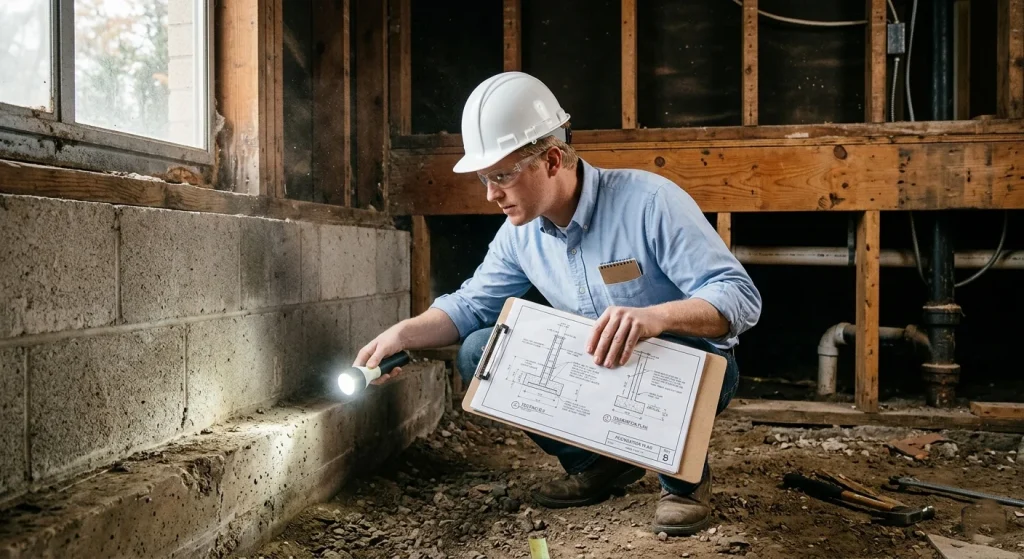
Not every ranch home can support a second story without significant structural work. The first thing a qualified structural engineer will evaluate is whether your foundation and existing framing were built with any capacity to carry additional vertical load.
Soil and Foundation Conditions in Sunnyvale
Sunnyvale sits on the Santa Clara Valley floor, which generally offers stable soil conditions. However, foundation costs and complexity vary by location:
- Standard structural reinforcement: $12,000 to $30,000 for most Sunnyvale properties
- Northern Sunnyvale (near the Bay): Higher water tables and softer soils can add $5,000 to $15,000 to foundation work
- Geotechnical investigation: $2,000 to $5,000, often required to evaluate soil bearing capacity before a project begins
Structural Elements an Engineer Will Assess
The original design parameters of most pre-1980 ranch homes included load-bearing capacities suited only for single-story construction. This does not mean a second story is impossible — it means a licensed structural engineer will need to evaluate each of the following before design work begins:
- Footing size and depth: Whether existing footings can transfer the new load safely to the ground
- Wall thickness and condition: Load-bearing exterior walls must handle the additional vertical weight
- Ceiling joists: These are never designed for second-floor loads and must be replaced with heavier floor joists in virtually every project
- Load path continuity: The structural route from second-floor walls down to the foundation must be uninterrupted and properly reinforced
- Seismic performance: Santa Clara County’s earthquake risk means moment frames, steel columns, or additional shear walls are sometimes required to meet the California Building Code
Understanding the Permit and Zoning Process in Sunnyvale
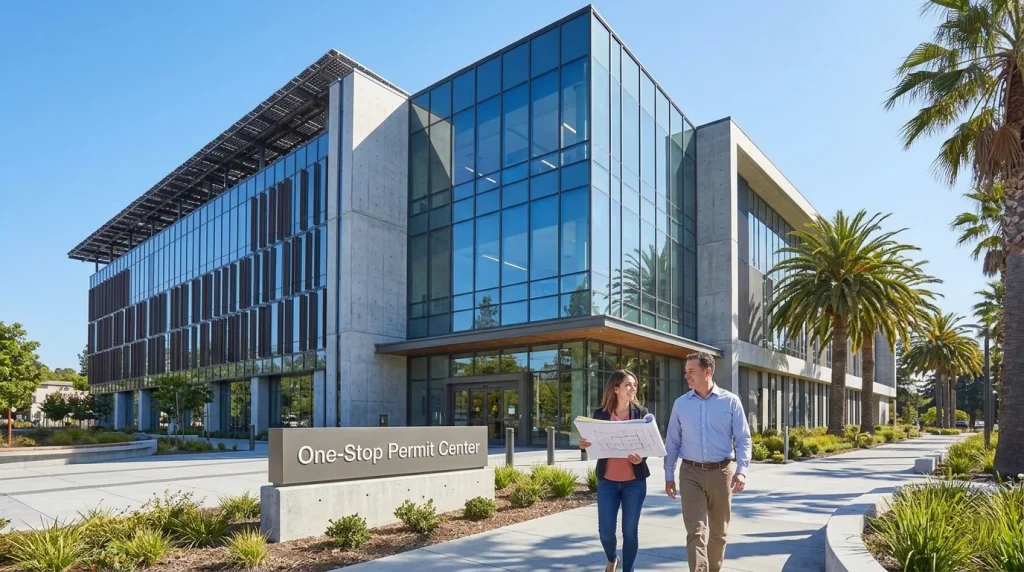
Before a single nail goes into a second-floor addition, you will need to work through Sunnyvale’s planning and building permit process. The city’s One-Stop Permit Center, located at City Hall on West Olive Avenue, provides a streamlined review covering building, fire, planning, and public works engineering in one place.
Key Zoning Rules to Know Before You Design
- Height limit: Residential structures are generally capped at 30 feet or two-and-a-half stories
- Front setbacks: Typically 20 to 25 feet from the property line
- Side and rear setbacks: Vary based on lot size and specific zoning classification
- Design review overlay zones: Neighborhoods with mid-century architectural character (such as parts of Cherry Chase) may require material and aesthetic review
- Floor area ratio (FAR): Your addition must comply with FAR limits for your zoning district; Green Building incentives can sometimes allow a higher FAR
What Your Permit Application Must Include
Initial submissions to the Sunnyvale Building Division must contain:
- Detailed architectural drawings showing the proposed addition
- Structural engineering calculations
- A site plan demonstrating compliance with setback and FAR requirements
- Energy compliance documentation per the California Energy Code
Additions exceeding 500 square feet generally require drawings stamped by a licensed architect or structural engineer. The California Environmental Quality Act (CEQA) can trigger environmental review for larger projects, though most residential second-story additions qualify for a categorical exemption. Sunnyvale’s permitting timeline runs approximately 6 to 10 weeks, which is notably faster than Cupertino or Palo Alto.
What the Construction Process Actually Looks Like
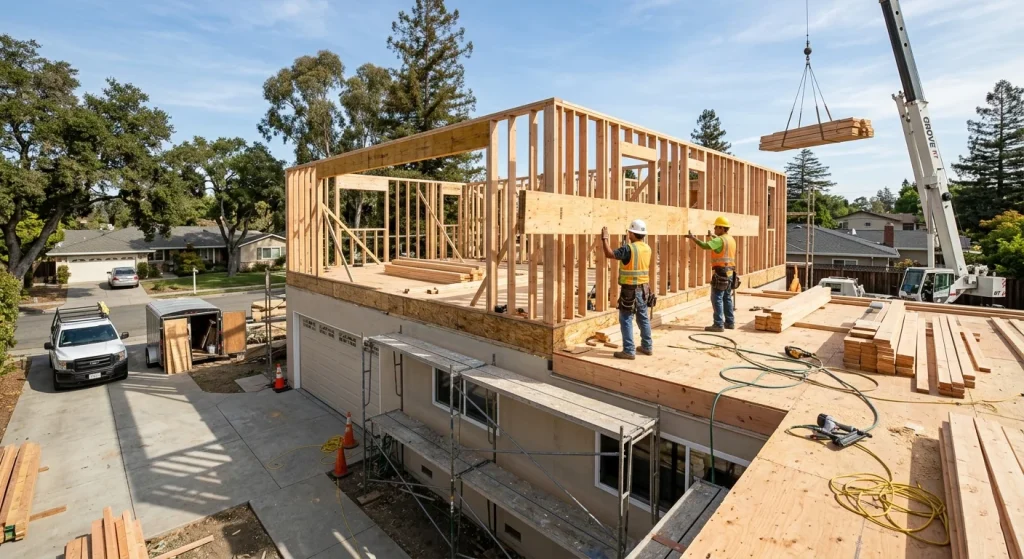
Once permits are in hand, the construction sequence for a second-story addition follows a distinct pattern that is disruptive but manageable if you plan ahead.
The Construction Sequence Step by Step
Understanding what happens in what order helps you set realistic expectations from the start:
- Roof removal: For a full second-story addition, the entire existing roof structure is removed to expose the top of the first-floor walls
- Structural reinforcement: Foundation footings, wall framing, and load paths are upgraded per the engineer’s specifications
- Floor joist installation: New, heavier floor joists replace the existing ceiling joists to create a structurally sound platform for the second level
- Second-floor wall framing: Exterior and interior walls for the new floor are framed and sheathed
- New roof installation: A completely new roof structure is built above the second floor
- Rough-in utilities: Electrical, plumbing, and HVAC are extended or redesigned to serve the new level
- Insulation, drywall, and finishes: Interior work proceeds once the building envelope is closed
- Final inspections: The Sunnyvale Building Division conducts inspections at multiple phases before issuing a certificate of occupancy
Utility Upgrades You Cannot Skip
Utilities are the element that surprises many homeowners. These are not optional improvements — they are code requirements:
- Electrical panel upgrade: $3,000 to $8,000
- Plumbing rough-in (if adding a bathroom on the second floor): $7,000 to $14,000
- HVAC extension or full system redesign: $8,000 to $18,000 in the South Bay market
Temporary Housing During Construction
Because the roof is fully removed during construction, the home is uninhabitable for a significant portion of the project. Plan accordingly:
- Most second-story additions take four to eight months from roof removal to final inspection
- Temporary housing in the Sunnyvale area typically costs $3,000 to $8,000 per month
- Factoring this into your budget from day one prevents serious cash flow problems mid-project
How Much Does It Cost to Add a Second Story to a Sunnyvale Ranch Home
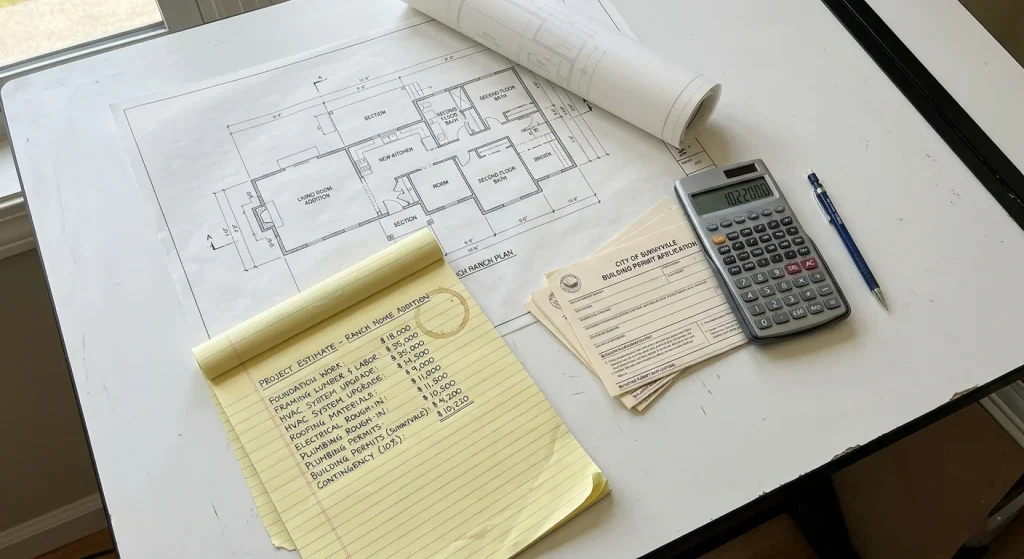
Cost is the variable that most homeowners want to understand first, and in Sunnyvale, the numbers are on the higher end of the national range given Bay Area labor and materials costs.
Sunnyvale-Specific Cost Breakdown
| Cost Category | Estimated Range |
| Construction (per square foot) | $350 to $475/sqft |
| Full second-story addition (800–1,200 sqft) | $280,000 to $475,000+ |
| Partial addition above garage | $150,000 to $250,000 |
| Foundation and structural reinforcement | $12,000 to $30,000 |
| Architectural and engineering fees | 8% to 15% of construction cost |
| Electrical panel upgrade | $3,000 to $8,000 |
| Plumbing rough-in | $7,000 to $14,000 |
| HVAC redesign | $8,000 to $18,000 |
| Temporary housing (per month) | $3,000 to $8,000 |
| Contingency reserve (recommended) | 10% to 15% of construction budget |
Why Sunnyvale Costs Are Higher Than the National Average
Nationally, second-story additions to ranch homes range from $150,000 to $350,000. The premium in Sunnyvale reflects several Bay Area-specific factors:
- Higher labor costs in the South Bay construction market
- Seismic engineering requirements specific to California
- The cost of matching exterior materials to existing mid-century architecture
- Permit fees and the multi-department review process
- Temporary housing costs during construction
The Return on Investment in Sunnyvale’s Real Estate Market
Few questions matter more to a Sunnyvale homeowner than whether a $400,000 second-story addition will translate into a proportional increase in property value. The answer, in this market, is generally encouraging.
Why the Numbers Work in Sunnyvale
- Per-square-foot values for single-family homes in desirable Sunnyvale zip codes regularly exceed $1,000
- Adding 1,000 square feet of finished living space can increase eventual sale price by $800,000 to over $1 million, depending on finishes and market conditions
- Even conservative ROI scenarios in Sunnyvale significantly outperform the national average for second-story additions
The Cost of the Alternative: Moving
The investment calculus also includes what you avoid spending by not moving:
- A comparable home with more square footage in Sunnyvale typically costs $2.5 million to $3.5 million
- Moving triggers new mortgage underwriting, closing costs (typically 2% to 5% of purchase price), and moving expenses
- Homeowners who bought before 2020 would lose a historically low interest rate by purchasing again
- The net cost of moving often exceeds the cost of a well-executed second-story addition when all factors are counted
Design Considerations That Make or Break the Addition
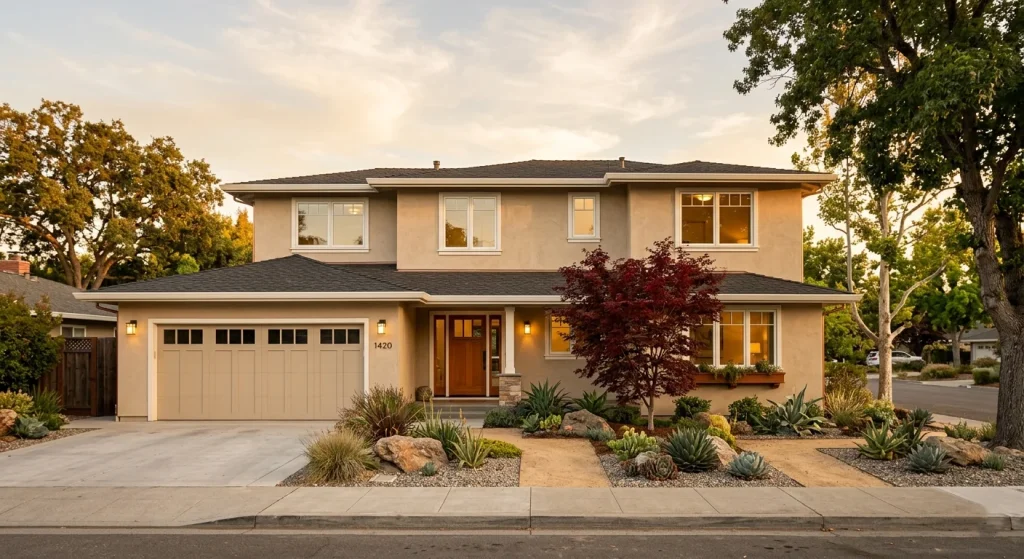
A second-story addition that looks like an afterthought — a box dropped on top of an otherwise cohesive ranch — can actually harm resale value and undermine neighborhood character. The most successful additions in Sunnyvale are designed to look like the home was always two stories.
Exterior Design Principles to Follow
Ranch homes have characteristically low-pitched rooflines and strong horizontal proportions. Adding a second floor with the wrong roofline or mismatched siding creates an aesthetic clash that no landscaping will fix. Key exterior design priorities include:
- Roofline continuity: Matching the pitch and eave overhang of the existing first floor
- Exterior material matching: Siding, trim, and window profiles should align with the existing structure
- Window proportions: Second-floor windows should be proportionally consistent with those on the first floor
- Cohesive massing: The second floor should feel like a natural vertical extension, not a separate structure sitting on top
Interior Design Decisions That Matter Most
- Staircase placement: This is the single most consequential interior decision. A poorly placed stair eats usable square footage on both floors and disrupts traffic flow through the main living areas
- Natural light: Clerestory windows, larger openings, and bedroom orientation toward favorable sun exposure prevent the second floor from feeling dark or cramped
- Mechanical room planning: HVAC, electrical, and plumbing routing between floors must be coordinated before walls are framed
Choosing the Right Contractor for a Second-Story Addition in Sunnyvale
The contractor you choose will shape every aspect of this project — timeline, final cost, permit compliance, structural quality, and your overall experience during construction.
What to Look for in a Sunnyvale Contractor
In a specialized market where seismic requirements, HOA considerations, and design review overlays all add complexity, general contracting experience alone is not sufficient. Look for:
- A licensed general contractor or design-build firm with documented experience in Santa Clara County second-story additions
- An established working relationship with local structural engineers and the Sunnyvale Building Division
- References from homeowners whose second-story projects were completed within the past three years
- Demonstrated ability to handle structural surprises discovered during demolition and framing
How to Evaluate and Compare Bids
- Get a minimum of three detailed bids before committing to any contractor
- Each bid should itemize labor, materials, subcontractor costs, permit allowances, and contingency provisions separately
- Be cautious of any bid significantly below the others without a clear explanation of what has been excluded
- In Sunnyvale’s Bay Area construction market, unrealistically low bids rarely stay low once walls come down and actual structural conditions are revealed
Living Through the Process: What to Realistically Expect
Understanding the lived experience of a second-story addition is just as important as understanding the financial and structural dimensions.
Day-to-Day Realities During Construction
- Your home will be essentially uninhabitable for much of the four to eight month construction period
- Dust, noise, and a construction crew on-site five days a week are constant realities
- Decisions will be required from you on a near-weekly basis — delayed decisions create costly change orders
- Weather can affect the timeline, particularly during the period when the roof is off and the structure is exposed
How to Stay in Control of the Project
- Schedule weekly site visits or progress meetings with your contractor
- Maintain a documented punch list of items to be addressed
- Make design decisions before construction begins rather than during — mid-construction changes are the primary driver of budget overruns
- Stay engaged throughout rather than stepping back and hoping things sort themselves out
Alternatives Worth Considering Before Committing to a Second Story
A full second-story addition is not the right answer for every Sunnyvale homeowner. Before committing to a project of this scale, it is worth evaluating the alternatives honestly.
Expansion Options and How They Compare
Ground-floor room addition
- Extends the footprint of the home into the backyard
- Lower cost per square foot than a second story in most cases
- Limited by Sunnyvale lot sizes, setback requirements, and the risk of sacrificing valuable outdoor space
Attached garage conversion
- Converts an underused two-car garage into a primary suite, home office, or family room
- Significantly lower cost and construction disruption than a second story
- Does not add square footage beyond the existing footprint
Detached ADU (Accessory Dwelling Unit)
- Creates separate living space that can house extended family or generate rental income
- California’s permissive ADU regulations make this increasingly viable in Sunnyvale
- Functions as a separate unit rather than expanding the primary home’s square footage
Pre-design consultation with a licensed architect A pre-design consultation, typically costing $500 to $2,000, is one of the most valuable investments a Sunnyvale homeowner can make before committing to any expansion path. The right approach depends on your specific lot dimensions, foundation capacity, budget ceiling, and long-term goals for the property.
The Bottom Line on Second-Story Additions in Sunnyvale
Adding a second story to a Sunnyvale ranch home is a significant undertaking that demands serious investment of both money and time. But it is also one of the most strategically sound home improvement decisions available to homeowners in this market.
What Determines Feasibility for Your Specific Home
- The current condition of your foundation and its load-bearing capacity
- The structural integrity of your existing wall framing and ceiling joists
- Your lot’s zoning classification, setback constraints, and FAR limits
- Your total budget, including construction, engineering, permits, housing, and contingency
The Recommended First Steps
- Hire a licensed structural engineer to assess your foundation and framing — this is the single most important early investment
- Schedule a pre-application meeting with the Sunnyvale Planning and Building Division to understand your specific zoning constraints
- Consult with two or three experienced local design-build firms to get a realistic sense of scope and cost before committing to full architectural drawings
For homeowners who do their homework, hire experienced professionals, and budget with appropriate contingency reserves, a second-story addition in Sunnyvale does not just add rooms — it transforms the entire character of the home and positions the property for meaningful long-term value appreciation in one of Silicon Valley’s most desirable residential markets.